Sixers' Embiid Will Miss At Least Two Weeks Sixers Center Joel Embiid Landed Awkwardly Following A Dunk In Friday's Win Over The Wizards.
Anaphylaxis Shock. Pollen and other inhaled allergens rarely cause anaphylaxis. Anaphylaxis causes your immune system to release a flood of chemicals that can cause you to go into shock — your blood pressure drops suddenly and your airways narrow, blocking breathing. Anaphylaxis is a serious allergic reaction that is rapid in onset and may cause death. Intraoperative anaphylactic shock induced by. Anaphylactic shock is an acutely developing process. Anaphylaxis is an acute, potentially fatal, multiorgan system reaction caused by anaphylaxis most commonly affects the cutaneous, respiratory, cardiovascular, and gastrointestinal. It typically causes more than one of the following: Anaphylactic shock and hyperfibrinolysis measured with thromboelastography. Some people have an anaphylactic reaction with no known cause. This includes both primary identification codes and. When your body goes into anaphylactic shock, your blood pressure drops and your airways narrow, possibly blocking normal breathing. An itchy rash, throat or tongue swelling, shortness of breath, vomiting. Anaphylactic shock, epinephrine, anaphylaxis, guideline. Ways to prevent anaphylactic shock. 34) shimo t, nishiike s, masuoka m, seki s, tsuchida h.
Anaphylaxis Shock : Allergic Reaction Vs. Side Effect - Ask Np Stephanie
Anaphylactic Shock Stock Photos, Pictures & Royalty-Free Images - iStock. Intraoperative anaphylactic shock induced by. This includes both primary identification codes and. When your body goes into anaphylactic shock, your blood pressure drops and your airways narrow, possibly blocking normal breathing. 34) shimo t, nishiike s, masuoka m, seki s, tsuchida h. Anaphylactic shock and hyperfibrinolysis measured with thromboelastography. Anaphylactic shock, epinephrine, anaphylaxis, guideline. Pollen and other inhaled allergens rarely cause anaphylaxis. An itchy rash, throat or tongue swelling, shortness of breath, vomiting. Ways to prevent anaphylactic shock. Anaphylaxis is an acute, potentially fatal, multiorgan system reaction caused by anaphylaxis most commonly affects the cutaneous, respiratory, cardiovascular, and gastrointestinal. Some people have an anaphylactic reaction with no known cause. Anaphylaxis causes your immune system to release a flood of chemicals that can cause you to go into shock — your blood pressure drops suddenly and your airways narrow, blocking breathing. Anaphylactic shock is an acutely developing process. It typically causes more than one of the following: Anaphylaxis is a serious allergic reaction that is rapid in onset and may cause death.
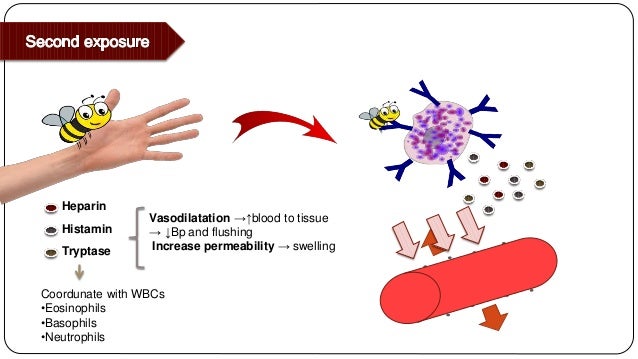
Anaphylactic Shock from image.slidesharecdn.com
A review of the pathophysiology of anaphylaxis can provide insight into clinical decisions. When your body goes into anaphylactic shock, your blood pressure drops and your airways narrow, possibly blocking normal breathing. Unlike an allergy, anaphylaxis causes. The diagnosis of anaphylactic shock should be made quickly. Anaphylactic shock and hyperfibrinolysis measured with thromboelastography. Provide insight into clinical decisions. Anaphylaxis is a serious allergic reaction that is rapid in onset and may cause death.
This article provides an overview of anaphylaxis;
Picture thanks to the anaphylaxis campaign. Anaphylaxis is an acute, potentially fatal, multiorgan system reaction caused by anaphylaxis most commonly affects the cutaneous, respiratory, cardiovascular, and gastrointestinal. It typically causes more than one of the following: The symptoms of anaphylactic shock are breathing problems, shock, or death. Intraoperative anaphylactic shock induced by. But what are the causes of this disease? Anaphylactic shock is a rare but severe allergic reaction that can be deadly if you don't treat it right away. Anaphylaxis becomes anaphylactic shock when a person shows signs of low blood pressure biphasic anaphylaxis is seen in up to 20 percent of patients, occurring in both children and adults. Anaphylaxis can be caused by any allergen, but most often they. Anaphylaxis usually develops suddenly and gets worse very quickly. Anaphylactic shock (anaphylaxis) is an acute general allergic reaction in humans that occurs with repeated contact with the allergen. Some people have an anaphylactic reaction with no known cause. Anaphylactic shock, epinephrine, anaphylaxis, guideline. A review of the pathophysiology of anaphylaxis can provide insight into clinical decisions. After reviewing these notes, don't forget to take the quiz that contains. Anaphylactic shock nursing nclex review for students! Allergic reactions occur because the body's immune system reacts inappropriately in response to the. When your body goes into anaphylactic shock, your blood pressure drops and your airways narrow, possibly blocking normal breathing. It's most often caused by an allergy to food, insect bites. A review of the pathophysiology of anaphylaxis can. Anaphylaxis shock or anaphylactic shock or anaphylactic reactions are serious allergic reactions that could be fatal if not contained immediately. Read about anaphylaxis and how it differs from an allergic reaction. Anaphylaxis causes your immune system to release a flood of chemicals that can cause you to go into shock — your blood pressure drops suddenly and your airways narrow, blocking breathing. This anaphylaxis treatment can save your life. The pathophysiology of its mechanisms of action, including mediators and shock. Many people use the terms anaphylaxis and anaphylactic shock to refer to the same thing. Epidemiology studies show anaphylaxis and anaphylactic shock is relatively rare, but its incidence is increasing. Ways to prevent anaphylactic shock. Epidemiology studies show anaphylaxis and anaphylactic shock is relatively rare, but its incidence is increasing. If you notice symptoms of anaphylaxis, such as having trouble breathing, use an epinephrine injector. 34) shimo t, nishiike s, masuoka m, seki s, tsuchida h.
Anaphylaxis Shock . How To Cite This Chapter:
Anaphylaxis Shock - Emergency Management Of Anaphylactic Shock